The SAMSON Q9U XLR/USB Dynamic Broadcast Microphone review centers on a useful choice for creators: connect directly to a computer over USB-C or route the mic through an XLR mixer or interface.
Its combination of dynamic pickup, headphone monitoring, and onboard mute makes it appealing for spoken-word recording and streaming setups.
Samson Q9U Review Summary
The quick verdict
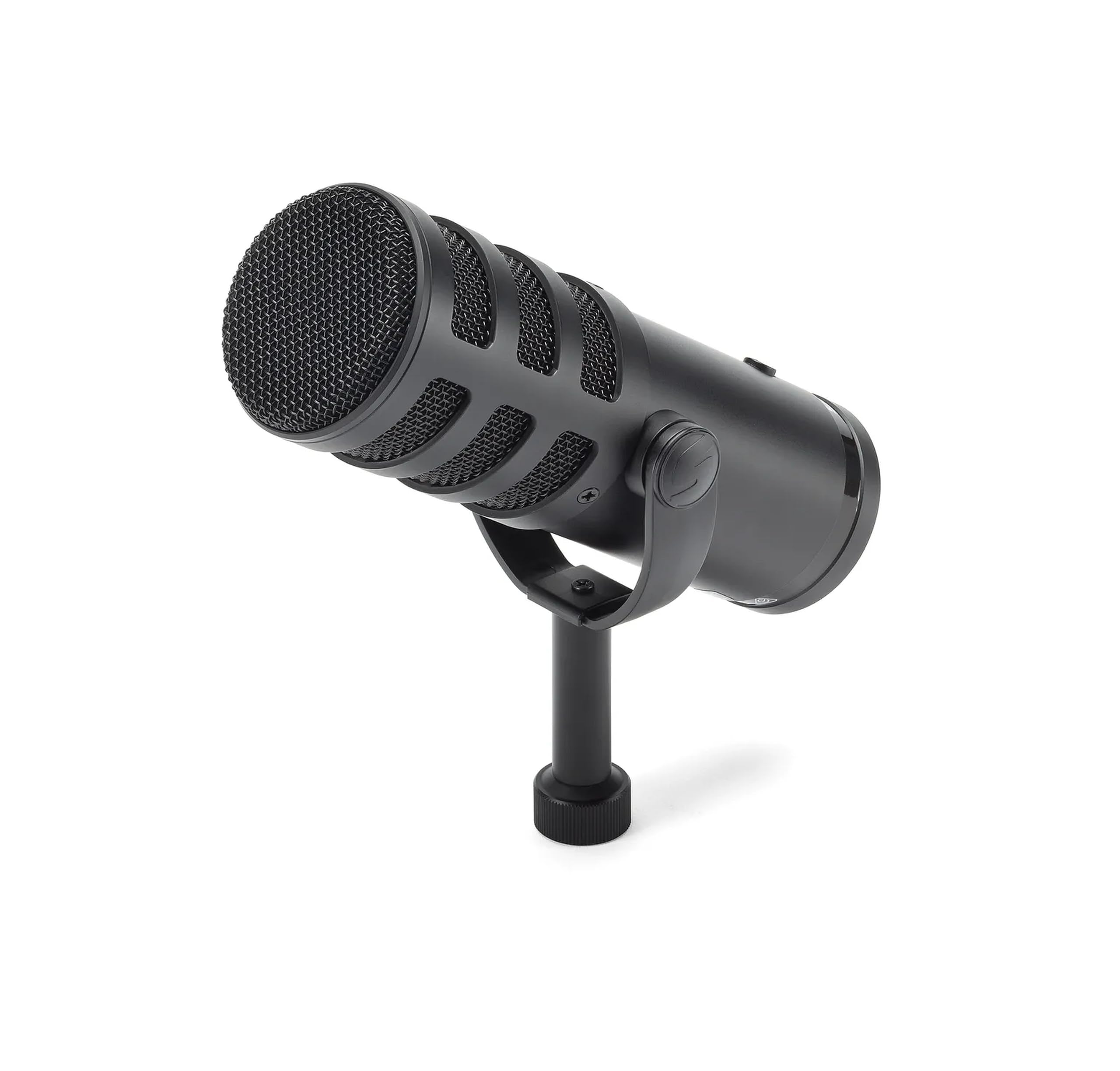
600+ ratings
Read Amazon ReviewsSamson Q9U
The Samson Q9U suits podcasters, streamers, and voice performers who want USB convenience, XLR flexibility, and built-in monitoring controls.
- Offers both an XLR analog output and a USB-C connection.
- USB recording supports up to 24-bit/96 kHz digital audio resolution.
- Dynamic capsule with a neodymium magnet is designed to provide usable output with mixers and audio interfaces without an external gain device.
- Cardioid polar pattern focuses pickup toward the front and is designed to reduce off-axis and ambient sound.

Pros
- USB-C and XLR make it suitable for both computer-first and equipment-based recording.
- High-resolution USB conversion supports detailed digital recording.
Consider before buying
- Two connection paths add some setup decisions; users should confirm which cable and input their recording system needs.
- The microphone's own description does not specify included mounting hardware or cables, so check what is needed to position and connect it.
Read the full review summary
The Samson Q9U is designed to serve both simple computer-based recording and more involved studio rigs.
Its USB-C output carries digital audio at up to 24-bit/96 kHz, while the XLR output gives you a path into a mixer or audio interface.
That dual connection can make it easier to change workflows without replacing the microphone.
A cardioid pattern, internal pneumatic shock mount, and dual-layer windscreen address common recording concerns such as room pickup, handling noise, and plosives.
The Q9U is a strong fit for solo podcasters, streamers, and voice performers who want these practical controls in one mic.
Buyers who mainly need a basic handheld microphone or a complete stand-and-cable kit may prefer a simpler package.
The buying factors
Samson Q9U Scorecard
Editorial scores reflect listed features and buyer fit; they are not laboratory measurements or customer ratings.
Connection flexibility
USB-C and XLR support direct computer recording as well as mixer- or interface-based setups.
Recording convenience
Driver-free computer connection and onboard mute simplify everyday recording tasks.
Monitoring control
Zero-latency headphone monitoring helps users hear their voice in real time.
Speech-focused design
Cardioid pickup and a dual-layer windscreen are useful features for close-miked voice work.
Setup adaptability
The mic can fit both a one-person recording setup and a multi-host studio built around audio equipment.
All-in-one completeness
The described features cover the microphone itself; buyers should check what mounting hardware and cables their setup requires.
Key Features and Specifications of Samson Q9U
- Offers both an XLR analog output and a USB-C connection.
- USB recording supports up to 24-bit/96 kHz digital audio resolution.
- Dynamic capsule with a neodymium magnet is designed to provide usable output with mixers and audio interfaces without an external gain device.
- Cardioid polar pattern focuses pickup toward the front and is designed to reduce off-axis and ambient sound.
- Zero-latency headphone monitoring lets you hear your voice in real time.
- Onboard mute silences the microphone on both XLR and USB outputs.
- Internal pneumatic shock mount and dual-layer windscreen are designed to help limit mechanical noise and plosives.
Pros and Cons of Samson Q9U
Pros
- USB-C and XLR make it suitable for both computer-first and equipment-based recording.
- High-resolution USB conversion supports detailed digital recording.
- Direct headphone monitoring and a hardware mute provide useful controls during live sessions.
- The internal shock mount and layered windscreen address common voice-recording nuisances.
Consider before buying
- Two connection paths add some setup decisions; users should confirm which cable and input their recording system needs.
- The microphone's own description does not specify included mounting hardware or cables, so check what is needed to position and connect it.
- The compact cardioid pickup area works best when the speaker can maintain a consistent position in front of the mic.
Who Should Buy Samson Q9U?
Good fit
Choose the Samson Q9U if you want a microphone that can connect directly to a computer now and still work with a mixer or audio interface later.
That flexibility is useful for creators whose recording setup may grow, or who want a straightforward USB path for solo shows while keeping an XLR option for a studio workflow.
Its monitoring and mute controls also suit live podcasting and streaming. You can listen to your voice in real time and mute at the mic, while the cardioid design and layered windscreen are aimed at close speech recording.
If you already have the necessary stand and cables, the Q9U provides a focused set of recording features without requiring you to choose one connection type.
Before buying, map out the intended signal path: USB-C to a compatible computer, or XLR to a mixer or interface.
Then check that your mounting arrangement and cables will let you place the mic comfortably in front of the speaker.
Who should skip it
Consider another setup if you need a microphone sold with a specified desktop stand, extension, and cables, since those accessories are not described as part of this product.
The Q9U may be more flexible than necessary if you only want a single-purpose mic and do not expect to switch between computer USB and XLR equipment.
How the Samson Q9U Fits a Flexible Recording Setup
USB-C for a direct computer workflow
The USB-C connection lets the Q9U send digital audio directly to a Mac or Windows computer without driver downloads, according to its described design.
Its up-to-24-bit/96 kHz conversion gives computer-first creators a high-resolution recording option while avoiding the need to start with a separate interface.
XLR for a studio signal path
XLR output lets the Q9U connect to a mixer or audio interface, making it adaptable to recording environments that already use external equipment.
The capsule is described as providing enough output for those connections without an external gain device, a potentially useful simplification for a creator assembling a modest studio chain.
Controls designed around spoken-word sessions
Real-time headphone monitoring can help a host keep track of their voice while recording, and the onboard mute acts on both output paths.
That combination is practical for live conversations and streams, where a quick mute and immediate audio feedback can matter more than extensive controls on the microphone.
Managing room and handling noise
The cardioid pattern is intended to favor sound from the front and minimize ambient pickup, while the internal shock mount targets mechanical noise. The dual-layer windscreen is designed to reduce popping from speech.
These are useful design choices for a voice-focused setup, though room placement and consistent speaking position still shape the recording.
Alternatives to Samson Q9U
Multipurpose Dynamic Microphones alternative
5,000+ ratings
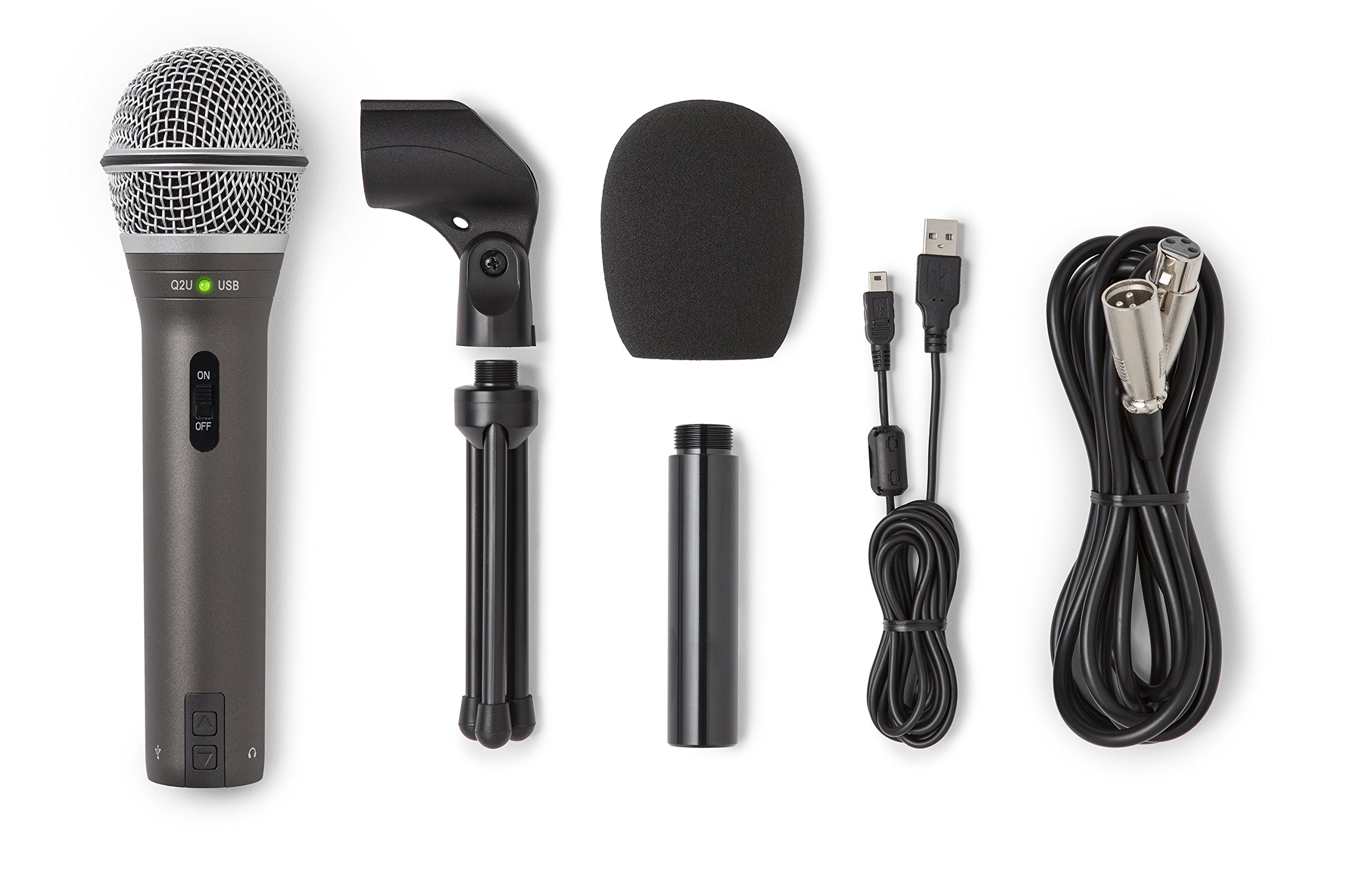
Read Amazon ReviewsSamson Q2U
Choose the Q9U if its higher-resolution USB conversion, real-time headphone monitoring, and dual-output mute suit your workflow. The Q2U is a practical alternative if you value a clearly specified set of basic accessories in the box.
- The Q2U is a handheld dynamic USB-C/XLR microphone, and its described pack includes a tripod desktop stand, extension, mic clip, windscreen, USB-C cable, and XLR cable.
- The Q9U combines USB-C and XLR with up-to-24-bit/96 kHz digital audio, headphone monitoring, and an onboard mute.
Multipurpose Dynamic Microphones alternative
12,000+ ratings
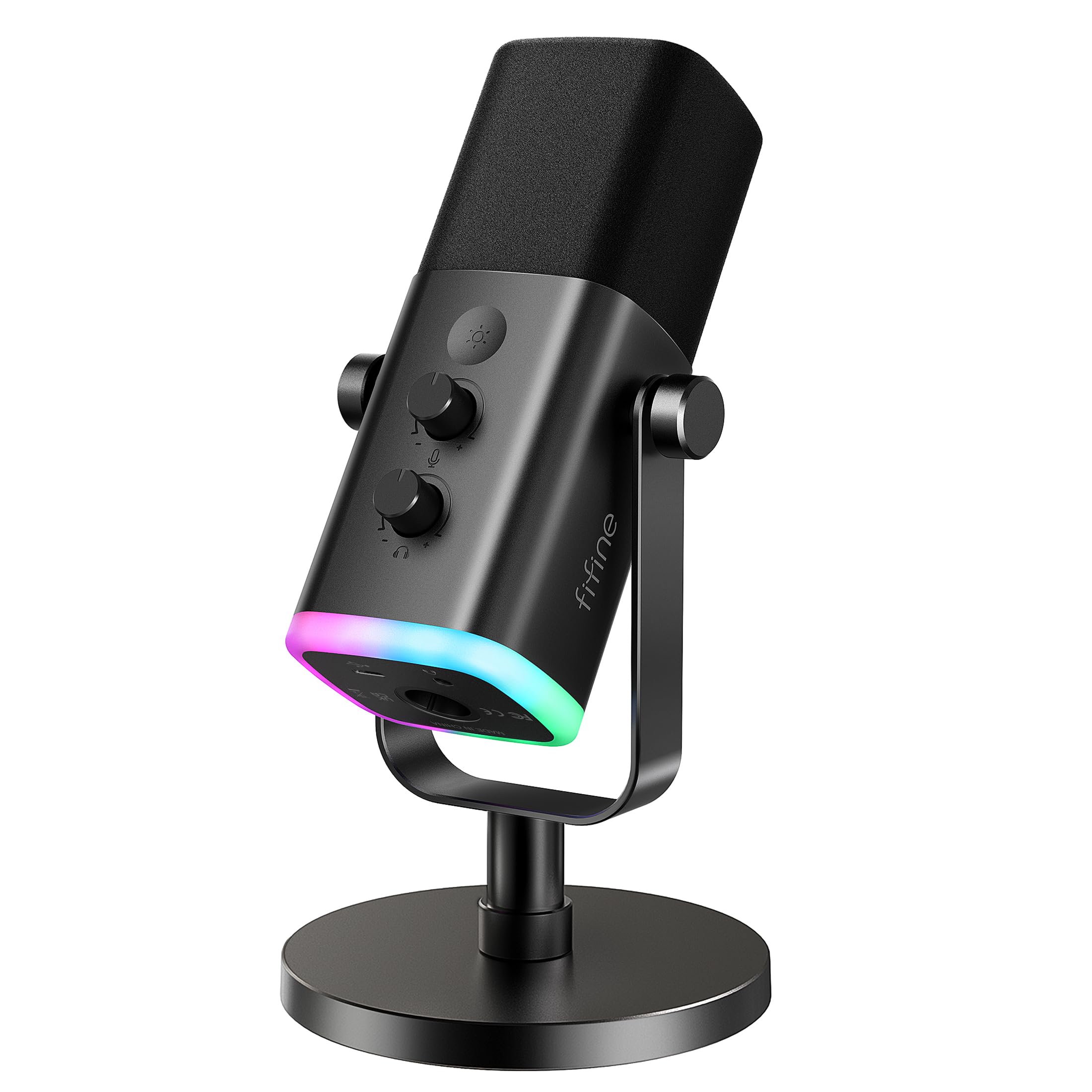
Read Amazon ReviewsFIFINE AmpliGame AM8
The Q9U suits buyers prioritizing its stated high-resolution USB audio and controls that also apply to XLR.
The AM8 may fit a gaming desk better if its USB lighting, gain control, and included desktop stand are more useful to you.
- The AM8 offers USB and XLR connections, plus USB-only RGB lighting, headphone monitoring, a gain knob, and a desktop stand; its USB controls and lighting are inactive over XLR.
- The Q9U is built around USB-C and XLR recording, with headphone monitoring and mute available on both outputs.
Is Samson Q9U Worth It?
The Samson Q9U is worth considering for podcasters, streamers, and voice performers who want a dynamic mic that can move between direct USB-C recording and an XLR-based setup.
Its monitoring, mute, cardioid pickup, shock mount, and windscreen all serve a clear recording purpose.
Buy it if those connection choices and controls match your workflow, and confirm that your cables and mounting setup are covered.
If a ready-to-use accessory bundle matters more, compare microphones that specify their included stand and cables before deciding.
Your review at a glance
600+ ratings
Read Amazon ReviewsSamson Q9U
The Samson Q9U suits podcasters, streamers, and voice performers who want USB convenience, XLR flexibility, and built-in monitoring controls.
- Offers both an XLR analog output and a USB-C connection.
- USB recording supports up to 24-bit/96 kHz digital audio resolution.
- Dynamic capsule with a neodymium magnet is designed to provide usable output with mixers and audio interfaces without an external gain device.
- Cardioid polar pattern focuses pickup toward the front and is designed to reduce off-axis and ambient sound.